Parking Enforcement Technology Review: LPR Patrol Systems, Fixed Cameras, and Citation Management
Parking enforcement technology has undergone a fundamental transformation over the past decade. Manual chalking, visual permit checking, and hand-written citations have been largely replaced — at least in progressive operations — by LPR patrol systems that scan hundreds of plates per minute, fixed cameras that monitor high-priority enforcement zones continuously, and citation management platforms that handle the full citation lifecycle digitally.
This review examines the technology categories in current enforcement deployments and provides an evaluation framework for agencies and operators selecting enforcement technology.
Mobile LPR Patrol Systems
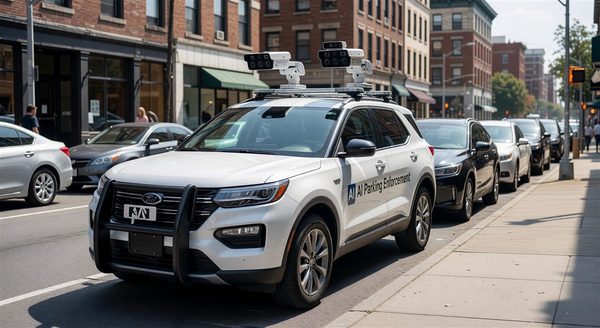
Mobile LPR systems mount cameras on patrol vehicles, scanning license plates continuously as the vehicle drives through enforcement areas.
System Architecture
A typical mobile LPR patrol system includes:
- Camera heads: 2–4 LPR cameras mounted on the vehicle (typically on a roof rack or pole) providing coverage on both sides of the vehicle and forward
- Processing unit: An in-vehicle computer running the OCR engine and enforcement logic
- Display interface: A tablet or mounted display showing the officer plate read status, violation alerts, and enforcement queue
- Communication: Cellular data connection to the permit/violation database server
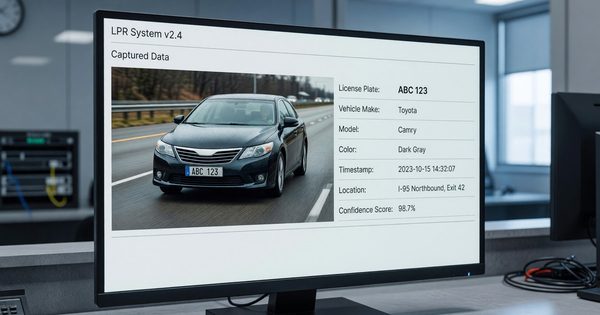
Operational mode: As the patrol vehicle drives down a row of parked vehicles, cameras automatically capture plate images at the speed of normal patrol driving (5–15 mph). The OCR engine processes each plate in real time and queries the permit/violation database. Violations are flagged to the officer display with a confidence indicator and violation type.
Performance Specifications
Key performance specifications for mobile LPR evaluation:
Read rate: Plates read per hour at patrol speed. 1,500–2,500 plates per hour is typical for a single patrol vehicle in normal conditions.
Accuracy rate: Percentage of plates successfully read and correctly identified. 95–99% is the production range; accuracy below 95% creates operational overhead that may negate efficiency gains.
Multi-camera coordination: Systems with cameras on both sides of the vehicle should coordinate reads so that the same vehicle is not queried multiple times (creating false duplicate alerts).
Dark/adverse weather performance: IR illumination quality and camera sensitivity determine effectiveness in nighttime and adverse weather conditions. Request demonstrations in conditions representative of your patrol environment.
Database Connectivity
The enforcement value of mobile LPR is realized through database connectivity — real-time comparison of each plate read against permit databases, violation history, and special flags (stolen vehicles, scofflaw alert lists).
Connectivity options:
- Real-time cellular: Query the central database for each plate read in real time. Provides the most current data; requires reliable cellular connectivity throughout the patrol area.
- Offline downloaded database: A current database snapshot is downloaded to the patrol vehicle at shift start; queries are local. More reliable in poor cellular coverage areas; data may be slightly stale (typically 30–60 minute lag).
- Hybrid: Real-time cellular for standard queries; local fallback for cellular outage periods.
Fixed Enforcement Camera Systems
Fixed cameras mounted at specific enforcement locations — bus stops, loading zones, fire hydrant zones, ADA spaces — monitor compliance continuously without requiring patrol presence.
Applications in Parking Enforcement
Bus stop enforcement: Fixed cameras at bus stops detect vehicles stopped in the bus stop zone, generating automated citation evidence. Several major transit agencies have deployed fixed bus stop enforcement with documented improvements in bus running time.
Fire hydrant and ADA zone enforcement: High-priority zones where violations have significant safety implications benefit from continuous monitoring rather than intermittent patrol coverage.
Loading zone time limit enforcement: Fixed cameras at commercial loading zones can enforce time limits — detecting vehicles that remain beyond the posted limit and generating citation evidence.
Permit zone enforcement: Fixed cameras at permit-only zone entrances can detect vehicles without valid permits, triggering officer response or automated citation.
Evidence Standards
Fixed enforcement camera evidence must meet the same standards as officer-witnessed violations to withstand appeal. Key evidence requirements:
- Timestamp from an NTP-synchronized clock accurate to within 1 second
- Plate image of sufficient resolution to confirm the plate number
- Location reference confirming the camera is at the enforcement location
- Chain of custody documentation for digital evidence
Camera systems for enforcement applications should be certified for the specific jurisdiction’s evidentiary standards. Some jurisdictions require independent certification of camera accuracy and evidence integrity.
Citation Management Platforms
Citation management software handles the lifecycle from violation detection through payment, appeal, and — for unpaid citations — escalation.
Core Feature Requirements
Citation issuance: Mobile app-based citation issuance with integrated LPR feed, photo attachment, location timestamp, and direct submission to the citation database.
DMV integration: License plate to registered owner lookup, typically through a state DMV contracted data service. Used for mail citation delivery and registration hold processing.
Payment processing: Online payment portal, mobile payment, in-person payment, and IVR phone payment for citation settlement.
Appeals management: Structured workflow for citation appeals — submission interface for contesting driver, review queue for adjudicators, decision notification, and documentation.
Scofflaw management: Tracking chronic violators (multiple unpaid citations), boot/tow eligibility calculation, and boot/tow order workflow.
Revenue and activity reporting: Citation volume by type, location, and officer; payment conversion rates; revenue by period; outstanding balance aging.
DMV Data Access
Access to DMV registered owner data is often the binding constraint on enforcement operations. Options include:
State DMV direct contracts: Many states offer direct data service contracts to municipalities and authorized agencies. Response times and access terms vary by state.
Commercial DMV data aggregators: Companies like LexisNexis Risk Solutions and IHS Markit provide consolidated DMV lookups across multiple states, simplifying multi-state vehicle identification.
Reciprocal enforcement agreements: For violations by vehicles registered in other states, enforcement reciprocity agreements — where states agree to pursue collection of each other’s parking citations — expand effective enforcement reach beyond the local jurisdiction.
FAQ
What is the typical return on investment for LPR patrol technology? Mobile LPR patrol systems typically pay back in 12–24 months in municipal parking applications through increased citation productivity (more citations per officer-hour), reduced personnel costs if citation volume can be maintained with fewer patrol officers, and improved collection rates from more accurate citation issuance. The specific ROI depends on patrol area characteristics, citation value, and labor costs. Most agencies conduct a productivity comparison using a pilot period before full fleet deployment.
Are there legal requirements for using automated LPR enforcement citations in the US? Requirements vary by jurisdiction. Some states require enabling legislation for automated parking enforcement (similar to speed camera enabling legislation); others allow it under general traffic enforcement authority. Some jurisdictions require that automated citations be reviewed and approved by a sworn officer before issuance. Consult legal counsel for the specific jurisdiction before deploying fully automated citation issuance.
How should agencies evaluate LPR vendor accuracy claims? Vendor accuracy claims are typically measured under favorable conditions (good weather, good lighting, clean plates). Request a pilot deployment with your own data collection — log all plate reads, all confidence scores, and all failed reads in your actual patrol environment over a meaningful time period (2+ weeks). Compare actual accuracy against the vendor’s specifications. Accuracy under your specific conditions (weather, plate mix, patrol speed) is more predictive than lab specifications.
What integration is required between an enforcement LPR system and the parking permit database? At minimum, the enforcement LPR system needs real-time query access to the permit database, returning permit status (valid, expired, not found) and, ideally, permit details (zone entitlement, expiration date) for confirmed permits. More advanced integration supports the enforcement LPR system writing violation records back to the permit management system for scofflaw tracking and permit suspension workflows. Evaluate the specific API documentation for the permit management and LPR systems you are evaluating to confirm integration depth.